Content updated
A water purifier is a system with several jobs: taking in water, treating it, and making it available for use. Understanding those jobs helps explain why a filter's performance, an appliance's tank and its dispensing controls should not be treated as the same safety claim.
Incoming water sets the starting conditions
The system must be suitable for its intended supply and installation conditions. Ask the installer which requirements apply and raise a concern about the incoming water with the supplier or an appropriate professional.
A household drinking-water appliance is not automatically suitable for an unknown or contaminated source. Follow local instructions during a water advisory rather than assuming normal operation solves the incident.
Treatment addresses particular substances
The CDC explains that filters have different functions: some address taste, others certain chemicals or germs. What a system reduces depends on its design. The number of stages alone cannot establish that every contaminant is removed.
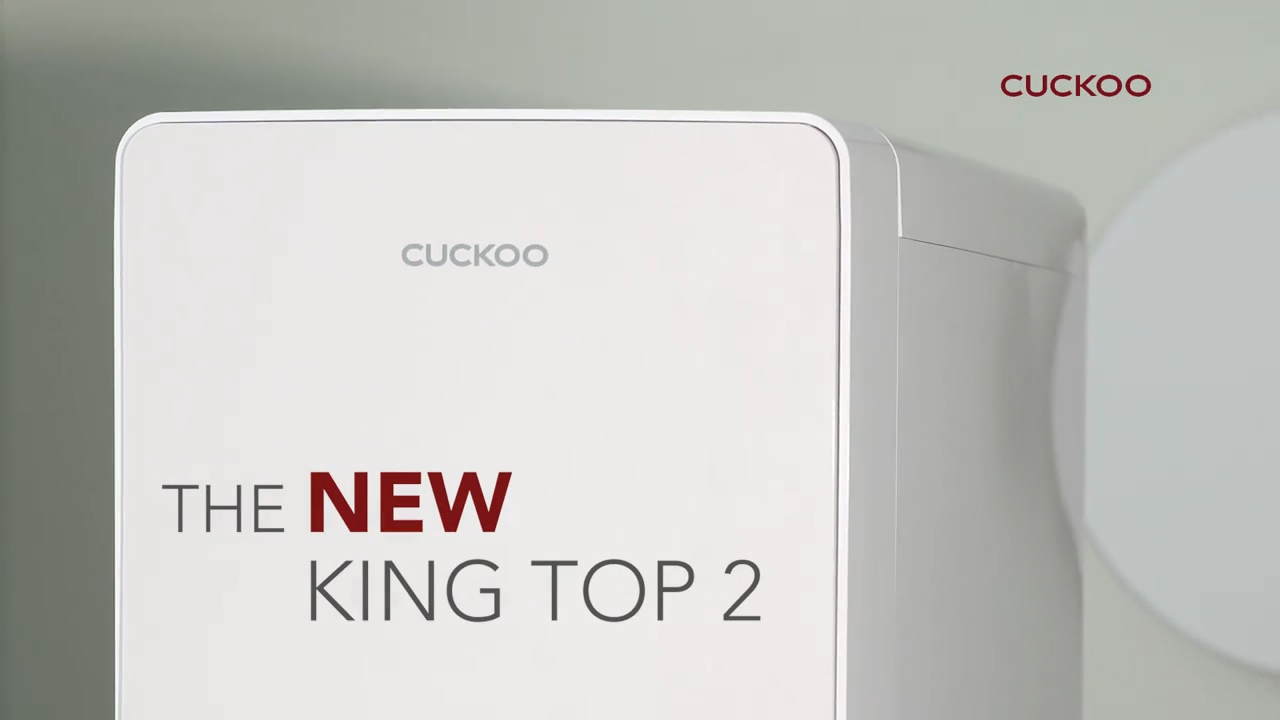
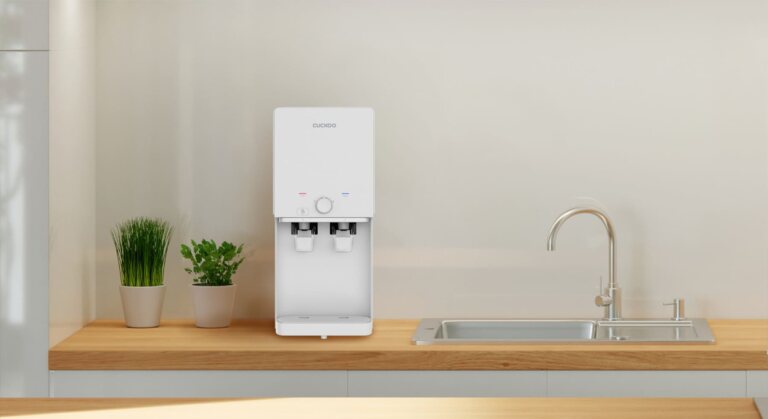
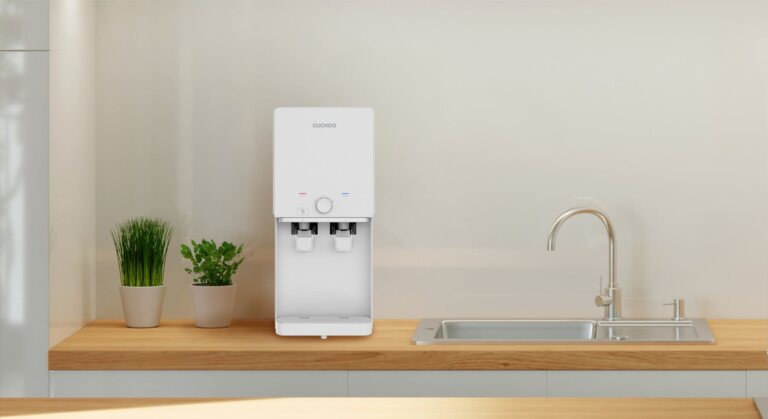
For a model such as King Top 2, use the published specification to identify the filter arrangement, then request evidence for any reduction claim important to your water needs. The separate contaminant guide explains how to read that evidence.
Storage and temperature are separate functions
A tank-based dispenser stores water for use, while heating and cooling provide the relevant temperature options. A tank's material does not prove permanent freedom from contamination, and a hot-water outlet is not automatically a validated sterilisation process.
Tank capacities also affect everyday use. Ask how the appliance replenishes its supply and what to expect when several people fill cups or bottles in a short period.
Dispensing and care complete the system
Follow the operating instructions for the outlet, controls and hot-water precautions. Keep suitable access for servicing and follow the documented cleaning and cartridge-replacement requirements.
A tabletop drinking-water unit treats water at its dispensing location; it does not protect every household pipe or appliance. Its usefulness should be assessed against the stated function and model evidence, rather than a guarantee of lower medical bills, eczema prevention or complete household protection.
Related reading
- Read contaminant-reduction evidence
- Compare point-of-use and whole-house treatment
- Understand King Top 2 controls