Content updated
There is no single contaminant-removal list that applies to every water purifier. The useful question is what an exact model and filter combination has been shown to reduce. This guide helps you read that evidence before relying on a product claim.
Name the substance you want to reduce
Sediment, chlorine taste, a dissolved metal and a microorganism are different concerns. A statement that a purifier removes impurities does not tell you which of those concerns it addresses.
Write down the specific issue and ask for supporting product documentation. If you do not know what is in your water, discuss the concern with your supplier or an appropriate testing professional before selecting treatment.
Read the standard and the specific reduction claim
NSF explains that NSF/ANSI 42 covers aesthetic effects such as taste and odour, while NSF/ANSI 53 covers health-related reduction claims. Certification applies to specific claims; a standard number does not mean a product removes every substance covered by that standard.
Match the listing to the precise system and replacement cartridge. A logo in a brochure, a certificate for another model or a statement about one component does not establish the performance of the complete unit you are buying.
Ask for the test conditions, not just a percentage
- What exact model and cartridge were evaluated?
- Which substance was measured, and what reduction was demonstrated?
- Which organisation tested or certified the claim?
- What capacity, operating conditions and replacement interval apply?
A percentage without the tested substance and conditions is incomplete information. Likewise, the number of filtration stages is a design description, not a substitute for a performance report.
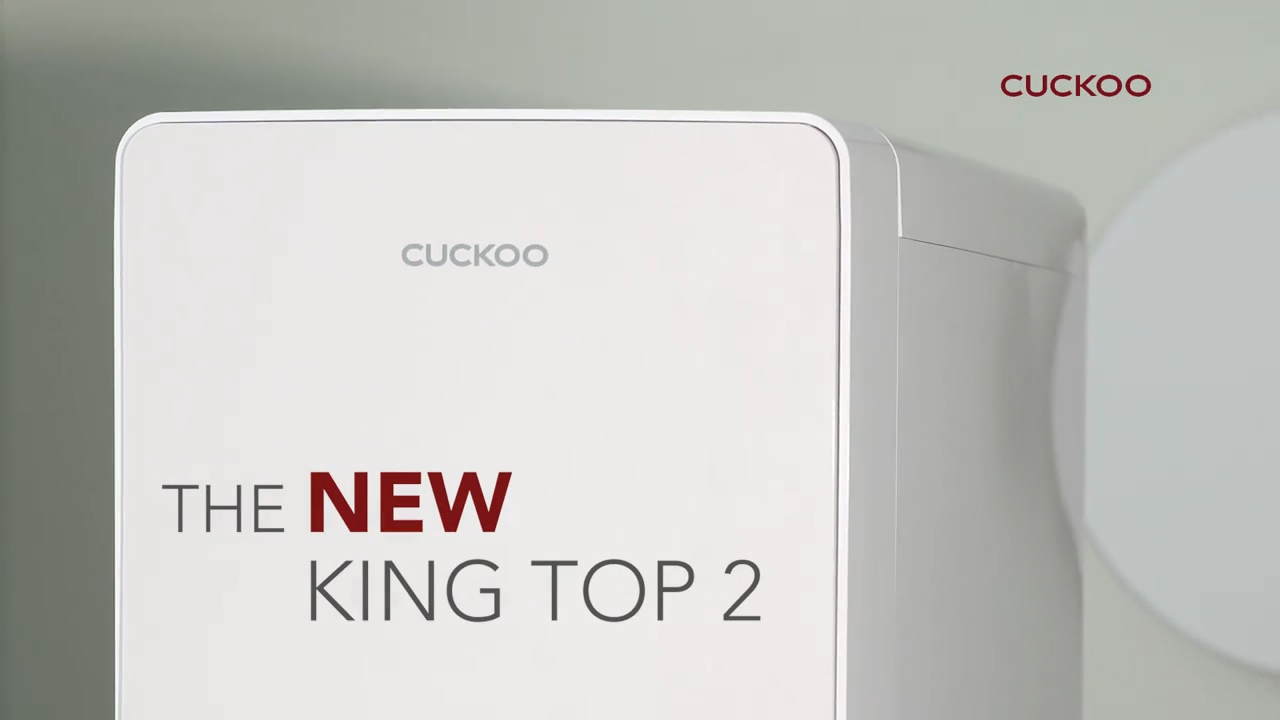
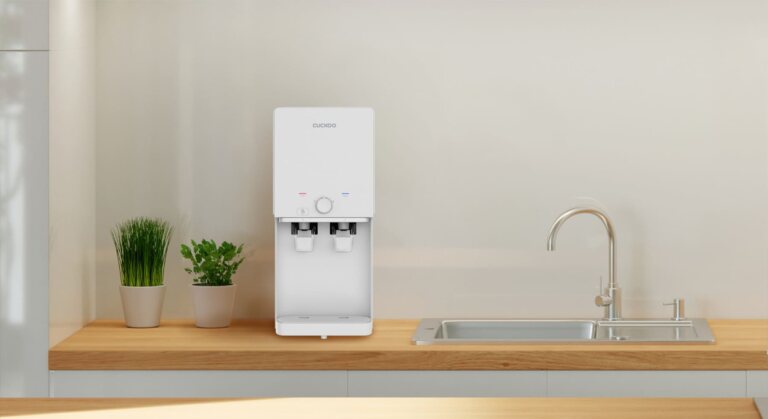
For King Top 2, ask for evidence applicable to its supplied filters. This article does not assert NSF certification or a particular contaminant-reduction percentage for that model.
Keep maintenance and safety claims separate
Filter performance depends on using and maintaining the system as specified. Confirm the replacement instructions and the service coverage for your plan. A stainless-steel tank does not justify a promise of permanently contamination-free stored water.
Do not use a general product claim to override an active water advisory. Check the instructions from your local authorities and supplier, including what to do with connected appliances before returning them to use.
What a useful answer looks like
A useful response identifies your model, the substance of concern and a report or certification you can check. Keep that evidence with your purchase documents and confirm which cartridge replacements preserve the stated performance.
If the seller cannot supply that information, treat the reduction claim as unverified. You can still compare dispensing convenience, but it should remain separate from an unsupported safety promise.
Related reading
- Do You Need a Water Purifier at Home? What to Check
- Evidence behind alkaline-water health claims
- View King Top 2 specifications