
Content updated
A water purifier is useful when it addresses a clear need. That need might be a documented water concern or the convenience of a dispenser. Start by identifying the problem you want to solve, rather than treating an appliance as an essential purchase for every home.
Separate a water concern from a convenience preference
Write down why you are considering a purifier. Is there a notice from your supplier, a question about your building's water, a taste preference, or a wish for hot and cold dispensing? These reasons call for different information.
For a quality concern, seek advice from your water supplier or an appropriate testing service. For convenience, list the routines you want to simplify. This distinction helps keep a product demonstration focused on your needs.
Find out what is known about your water
The CDC advises choosing treatment for the germs or chemicals of concern and notes that a filter may not be needed when harmful substances are absent. Clear appearance and pleasant taste do not prove that water is safe.
Ask your Malaysian water supplier about information relevant to your address. If a concern seems specific to your building, raise it with the building manager or a qualified professional. A general claim about tap water cannot establish the condition of your particular supply.
Choose the next step according to the need
- For dispensing convenience, compare water options, counter space and daily demand.
- For a suspected contaminant, identify the issue and request matching performance evidence.
- For a concern affecting several taps, discuss the treatment location with an installer.
- For an active water advisory, follow the instructions issued for your area.
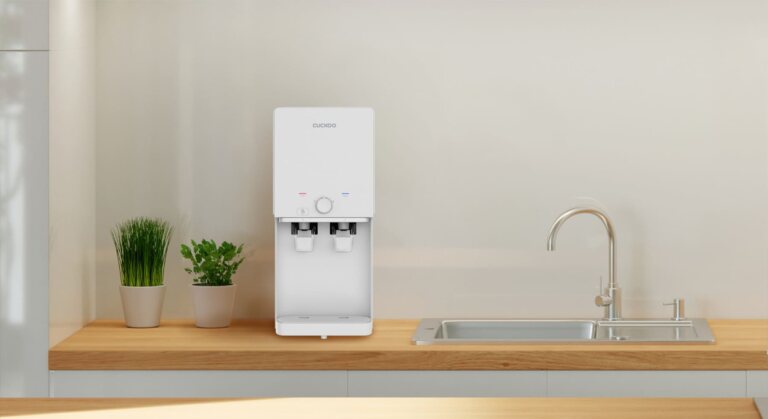
A tabletop drinking-water unit and a whole-house system have different roles. Confirm which outlets a proposed installation covers before assuming that one appliance will meet every requirement.
Check whether the commitment suits your household
If a purifier appears useful, ask for the full purchase or rental terms. Include the contract period, payment schedule, service coverage and replacement costs. Compare those commitments with how often your household would use the appliance.
Request an installation assessment before registering. Space, water connections and service access can affect whether a model is practical for your home. A clear answer to these questions is more useful than a blanket promise of savings or peace of mind.
Make the decision specific to your home
You do not need to decide on a brand before understanding your water needs. Use this page to establish whether treatment or dispensing convenience would help; use the buying guide for a detailed model-selection checklist.
Ask for written answers to any unresolved questions. Choose once you can explain the purpose of the system, its limits and the ongoing responsibility for maintaining it.
Related reading
- Water purifier buying checklist
- Tabletop purifier versus whole-house filtration
- Five practical purifier benefits