Content updated
A tabletop drinking-water purifier and a whole-house filter serve different parts of a home. Understanding that difference is more useful than assuming every household needs the same system. This guide explains the treatment location and the questions to discuss with an installer.
Where does each system treat water?
A point-of-use filter treats water at a particular outlet. A whole-house, or point-of-entry, filter treats water as it enters the home. The CDC distinguishes these approaches according to how much of the household water supply needs treatment.
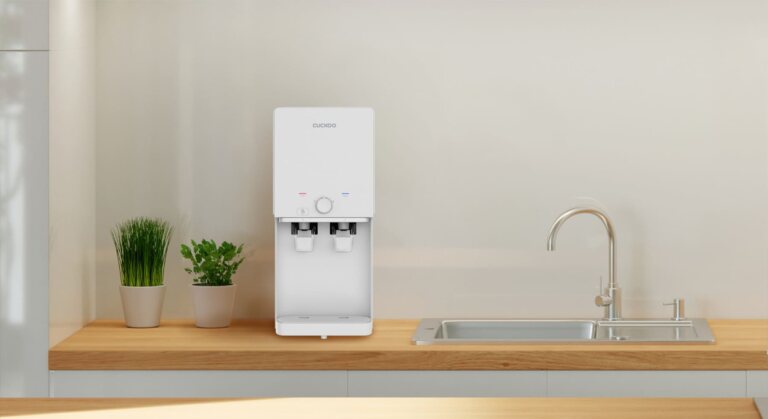
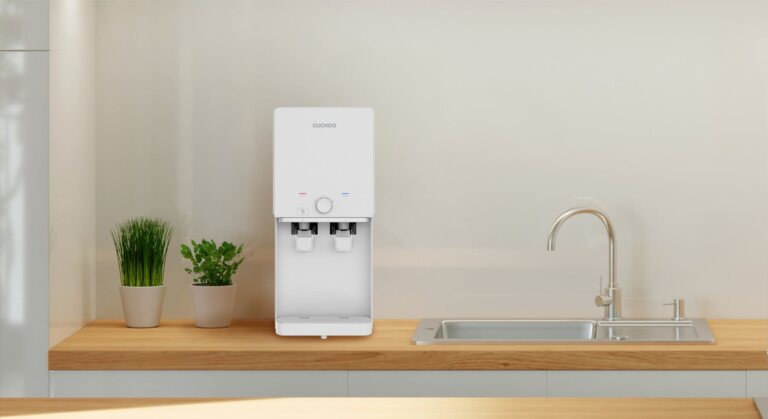
King Top 2 is a tabletop drinking-water appliance. Compare it as a dispensing option at its installation point. Do not assume that placing one in the kitchen also filters water supplied to showers, laundry appliances or other taps.
Start with the problem you want to solve
If your goal is convenient hot, cold and room-temperature drinking water at one location, evaluate a tabletop dispenser. If your concern affects water throughout the building, ask a qualified installer whether treatment at the incoming supply is appropriate.
Choose treatment for a documented water issue. A drinking-water dispenser should not be advertised as protecting all household plumbing or removing every possible contaminant. Ask for the exact model's evidence and installation requirements.
Compare installation scope and ongoing work
For a tabletop unit, discuss counter space, the water connection, access to electricity and service access. For a whole-house proposal, ask where the system connects to the incoming supply, who is responsible for the plumbing work and how maintenance will be carried out.
Request separate quotations if both systems are proposed. Check what each quotation includes, which part of the water supply it covers, the replacement consumables and any ongoing service agreement. Two systems in a home still need their own maintenance arrangements.
Ask the installer to describe the coverage
- Which outlets will receive treated water?
- What problem is this exact system designed to address?
- What space, connections and building permission are required?
- What are the installation, servicing and replacement costs?
Use those answers to decide whether you need a drinking-water appliance, another treatment system or both. The decision should follow your water needs and installation conditions, rather than a claim that one appliance suits every home.